Classic Towing: Custom Invoicing & Report Software

Two pieces of software. One business running without friction.
How do you replace hours of manual admin with software that works as fast as the business does?
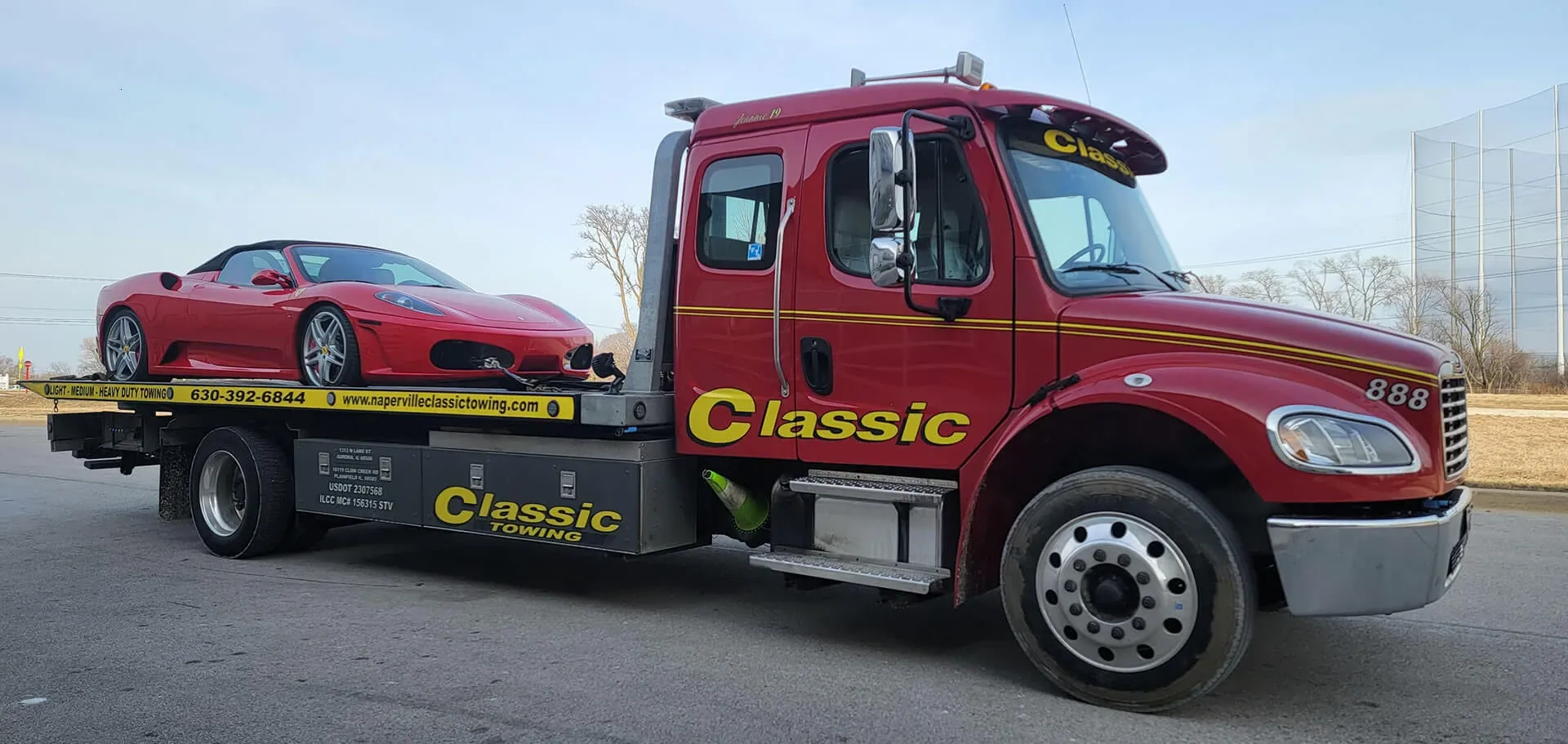
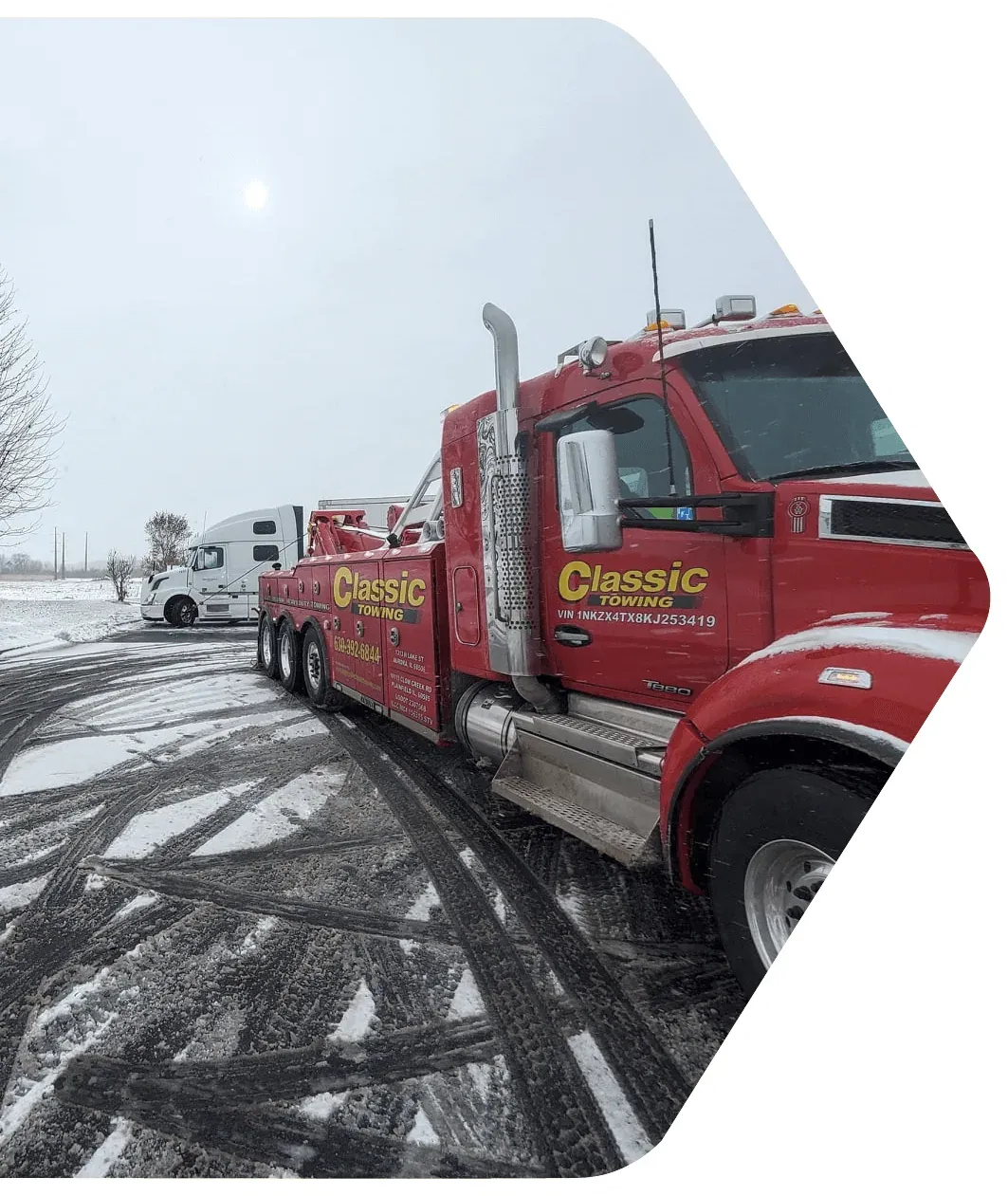
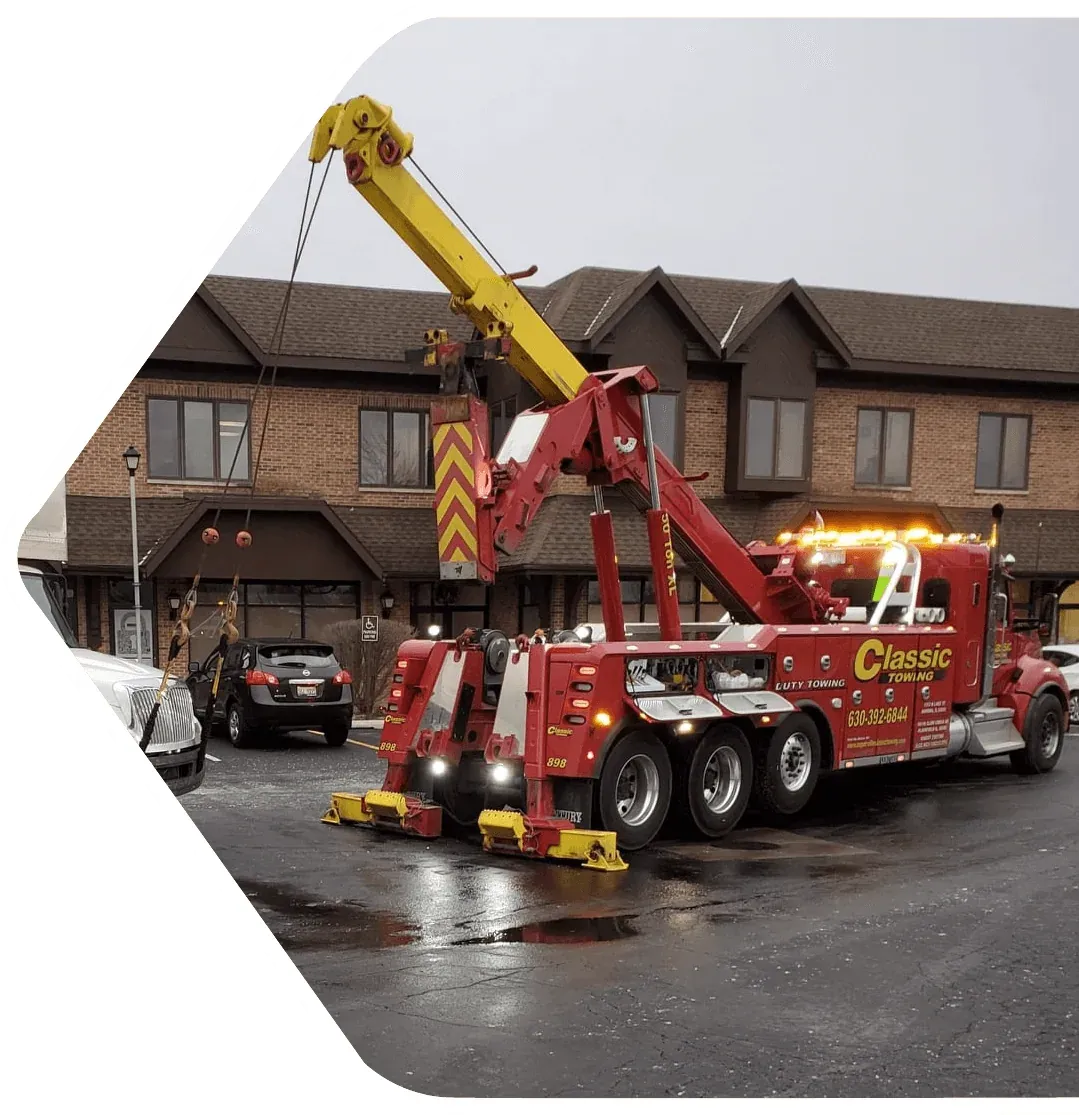
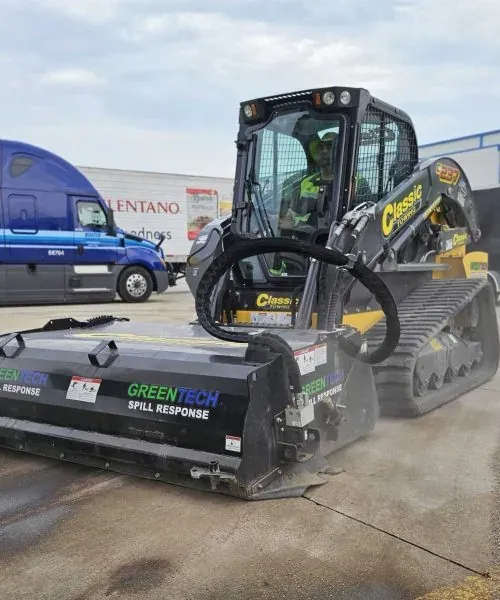
Classic Towing recovers vehicles and responds to hazardous spills, then bills that work to insurance carriers. Every job produces a detailed invoice, and a formal report to justify it.
The problem
Every job produced two documents, and both started from a blank page.
Recovery and spill response does not invoice like ordinary trade work. One incident can carry dozens of separate charges across equipment, personnel, consumables, towing, disposal, storage and subcontractors, and it goes to a carrier who will read it line by line.
All of it was assembled by hand. The same rates typed out again, the hours on site applied one by one to every person and every machine, storage worked out afresh on every reissue, a multi-day incident stitched together at the end. Then the whole thing written up a second time, because the report the insurer reads is a different document from the invoice.
It was the most tedious work in the business, the most exposed to a slip of the finger, and it fell due after every single job.
- 01Bespoke Desktop Software
- 02Invoice Generation System
- 03Reusable Rate and Line Item Library
- 04Automated Time and Cost Calculation
- 05Storage and Waste Charge Tracking
- 06Multi-Day Invoice Consolidation
- 07Insurance Report Generation
- 08Branded Document Output
- 01Bespoke Desktop Software
- 02Invoice Generation System
- 03Reusable Rate and Line Item Library
- 04Automated Time and Cost Calculation
- 05Storage and Waste Charge Tracking
- 06Multi-Day Invoice Consolidation
- 07Insurance Report Generation
- 08Branded Document Output
The invoice writer
Set the rates once. Build a full invoice in minutes.
The first application is an invoice writer built entirely around how this business charges. Every rate the company uses, from recovery equipment and certified personnel down to individual absorbent products, is stored once as a reusable line item and dropped onto an invoice in a click.
Times are entered once. The hours on site then flow into every charge billed by the hour, so correcting a finish time updates the whole invoice rather than thirty separate figures.
Surcharges and compliance fees apply as percentages and calculate as you work. Storage accrues by the day and can be brought up to the current date across every item at once, instead of being worked out again on every reissue.
What comes out is a fully branded invoice, laid out exactly as the company wants it seen, with vehicle, site, claim and policy details in place and the justification and disclaimer wording the carrier expects. Minutes, rather than the better part of an afternoon.
The report writer
The insurance report builds itself from the invoice you already produced.
The second application imports the finished invoices and turns them into the formal report that goes to the carrier. Nothing is typed twice. The figures in the report are the figures on the invoice, because they are the same figures.
Around them it assembles what a carrier needs in order to assess a claim without coming back with questions. A narrative of what happened, the scope of works, the claim type, photographic evidence, contents disclaimers carrying the relevant statutory citations, and clear instruction on where a denial letter must be sent and within what period.
It carries the company's own branding and a generated table of contents, and it reads like a document from a business that does this properly. That matters more than it sounds, because with an insurance claim the document is the argument.
What changed
Same work, same standards, a different working day.
Before
A blank page after every job
Numbers only as reliable as the person typing them
Paperwork left until the end of the day
Every document formatted from scratch
Two documents built independently of each other
After
A rate library the whole business bills from
Figures calculated rather than transcribed
Paperwork closed out while the job is still fresh
One layout, applied identically every time
One job, one set of figures, two documents
Every document that leaves the business now looks the same, reads the same and carries the same evidence, which is what makes a claim straightforward to approve.
The impact
Hours
given back every week, on the work that used to be the most tedious
9
charge categories, modelled exactly as the business bills them
2
applications covering a job from leaving site to settlement
Built for operators. Engineered for speed.
Software that removes the admin and keeps the business moving.
Start the journeyThe outcome
Software shaped around one business, rather than a business bent around software.
Classic Towing does not run on general purpose accounting software, because general purpose accounting software has no concept of a certified spill technician billed by the hour, a response trailer, storage accruing daily against an open claim, or a statutory notice period for a denial letter.
Those are not edge cases here. They are the job. Any product that treats them as awkward exceptions quietly hands the work back to the person using it, which is exactly where this business started.
So we built for the exceptions, and then there were none. That is what bespoke software is actually for. Not doing something clever, but doing the specific, awkward, unglamorous thing a business does every day, and doing it perfectly every time.
Start the conversation
Let's discuss your project.
Share your goals and challenges. We'll respond within one working day.
What happens next
We'll review your message and respond within one working day.
We'll arrange a short call to understand your goals.
You'll receive a clear recommendation, not a generic proposal.
Work that
speaks for itself.
Every project is built with precision. See what we've delivered for businesses like yours.
See our other work